Modern Methods for Age Estimation in Skeletons
Accurate age estimation from skeletal remains shapes the outcome of forensic investigations and archaeological research. The typical margin of error for adult age estimates hovers around plus or minus ten years, though this can narrow to five years in younger individuals whose bones fuse at more predictable times. Conditions like disease or malnutrition, however, often distort the usual patterns, making some cases particularly challenging. When an unidentified skeleton's age is clarified, unresolved cases can finally be closed, and those involved often find relief from years of uncertainty. With such burdens lifted, time and attention may turn to lighter pursuits–some might unwind by trying a new slot game, comparing bonus offers, or testing different payout speeds during an evening online.
Those exploring these sites quickly notice how welcome packages, minimum deposits, and withdrawal limits vary by operator. Just as forensic experts depend on the precision of scientific methods, players depend on transparent terms and clear rules to avoid costly surprises.
Age estimates for adults rarely achieve single-year precision, and errors can mislead investigations or delay identification for years.
How do experts estimate age today

Radiocarbon dating, DNA methylation analysis, and advanced dental wear studies now allow experts to estimate age from skeletal remains with greater accuracy than traditional visual inspection. These scientific techniques reduce guesswork and deliver stronger evidence in both criminal investigations and archaeological digs. In practical terms, cases involving unidentified remains get resolved faster and with fewer disputes between specialists.
As a result, law enforcement and researchers can allocate their resources more efficiently, focusing on new cases instead of prolonged debates over unidentified remains. With stronger evidence and cases resolved faster, people find themselves with more free time and less stress, which they can now spend enjoying activities such as online casino. Many players appreciate that hitnspin casino offers generous bonuses to both newcomers and regular users. These advancements in forensic science continue to streamline the identification process, making a tangible difference in both criminal justice and historical research.
Earlier methods often relied on subjective judgments about bone fusion or tooth eruption, leading to broad age ranges and frequent disagreement. Today, DNA extracted from teeth or bones can pinpoint age within a few years, while high-resolution imaging reveals subtle growth patterns invisible to the naked eye. Forensic teams can match these findings to missing persons with far more confidence than before.
Once a cold case is closed or a historic mystery is solved, those involved often experience a sense of relief and closure. With fewer lingering questions, attention shifts to lighter pursuits, such as exploring new online activities. Many now spend their free evenings spinning reels on themed games, checking out live dealer tables, or comparing welcome offers for a quick escape from routine.
What makes age estimates less reliable
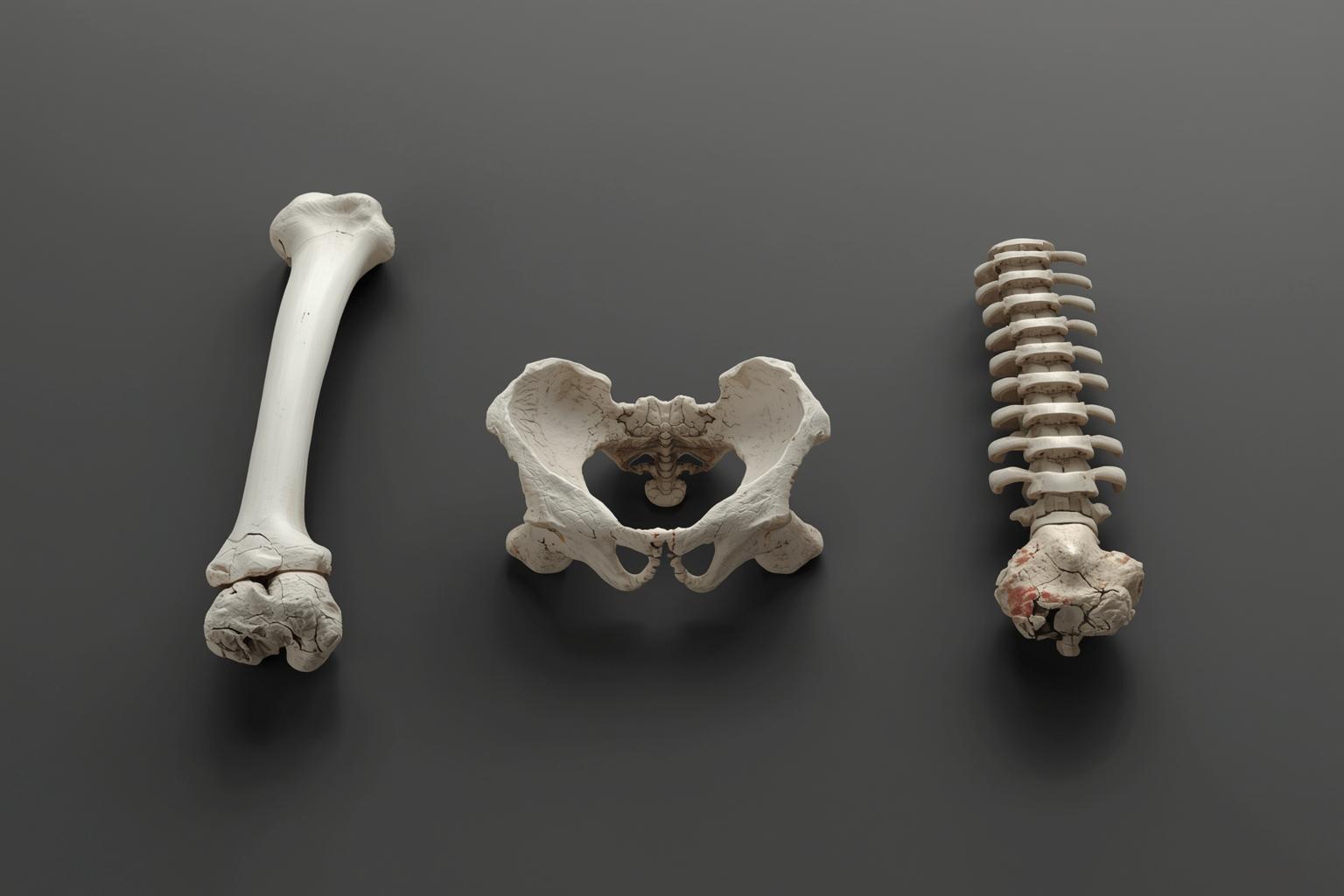
Accurate age estimation from skeletons often falters when bones are incomplete or poorly preserved. Soil acidity, animal activity, or moisture can erode key features needed for precise analysis. Population variation further complicates things, since many standards were developed using limited reference groups.
Forensic teams sometimes misjudge age when applying benchmarks to remains from different regions or ethnic backgrounds. An error here might delay identification or even send an investigation in the wrong direction. Similar confusion can arise for archaeologists trying to date ancient burials, affecting broader interpretations of history.
Once a case is closed and doubt removed, people often turn to lighter online pursuits, such as spinning reels for a shot at a progressive jackpot or testing different deposit methods. Games with daily bonuses or live hosts become a familiar escape after long periods of unresolved questions. This shift allows for a release of tension, replacing uncertainty with the rhythm of wagers and timed rounds.
Why do age results vary between cases
Age estimation from skeletons hinges on physical markers that rarely develop identically in two individuals. Even advanced forensic techniques must contend with genetic variation, past injuries, and lifestyle factors that shape bone growth and wear. The unpredictability in results mirrors the variability found in online casinos, where players encounter different odds, game mechanics, and payout rates depending on the platform and title chosen.
Skeletal features and their changes
Teeth and pelvis reveal different clues about age, each influenced by wear, disease, or preservation. The clarity of these features determines whether an estimate is close or wide of the mark. In some cases, damage or loss of key bones means only rough guesses are possible:
- Dental eruption stages – visible in children and sometimes young adults
- Pubic symphysis shape – changes from ridged to smoother with age
- Cranial suture closure – variable and unreliable after middle age
- Epiphyseal fusion lines – fade as growth finishes in teenagers
- Vertebral bone porosity – increases with age, but mimicked by osteoporosis
Mistaking a worn or incomplete feature for a reliable marker can push age estimates off by decades. After the mental effort of deciphering bone clues, some turn to online casinos for a lighter challenge, drawn by the simple rules of slot machines or the chase for a progressive jackpot.
Individual and environmental factors
Age estimates from skeletons can shift widely when chronic illness or malnutrition alters growth patterns. Even identical twins, raised in different places, may show divergent bone development and rates of dental wear. After a challenging forensic case is resolved, some find themselves browsing virtual slot reels or comparing sign up offers online as a way to unwind.
| Distinguishing factor | Impact on bone development | Effect on age estimation | Example consequence |
|---|---|---|---|
| Severe childhood illness | Disrupted growth plates | Estimated age appears lower than actual | A young adult's remains judged as teenage |
| Long term malnutrition | Delayed dental eruption and bone fusion | Wider range of possible ages | Archaeological remains misdated by decades |
| High physical activity in youth | Accelerated joint degeneration | Older age suggested by joint wear | Sports participants mistaken for older adults |
| Well preserved burial (dry sand) | Minimal bone decay | Closer age approximation possible | Ancient skeleton dated accurately |
| Waterlogged grave | Accelerated soft tissue loss, bone collapse | Skeletal markers unreadable | No precise estimate, case left open |
Well preserved remains in dry conditions allow for far more accurate age estimation than those found in waterlogged graves. After the tension of forensic work, spinning reels or chasing a progressive jackpot online can offer a brief escape from the complexities of scientific uncertainty.
Understanding which variables affect age estimates helps set realistic timelines for resolving forensic or archaeological cases. Once those questions are answered, some people turn to pursuits like testing strategies in blackjack or exploring new bonus offers to fill the space left by a finished investigation.
Who should not rely on these methods
Modern skeletal age estimation produces unreliable results for individuals with incomplete remains or rare medical conditions. Pathologies that alter bone structure can distort analysis and lead to misleading conclusions.
For example, children with chronic illnesses affecting bone growth often fall outside standard reference data. Incomplete skulls or missing dental records make precise age calculations nearly impossible, just as guessing a card's value without seeing its face leads to errors in certain card games found online.
When certainty about age remains out of reach, unsolved identification cases linger longer in forensic databases. Freed from this uncertainty, some people unwind with online slots or seek a quick payout after a demanding investigation, using their regained free time for a bit of unpredictable fun.
