Forensic Entomology Applications in Investigations
Forensic entomology uses insect activity on remains to uncover details about how and when death occurred. Blowflies often arrive within minutes or hours after death, with their life cycle stages offering vital markers for estimating the postmortem interval. Conditions such as temperature, humidity, and whether a body is exposed or buried can shift insect colonization patterns by days or even weeks. In some cases, a single overlooked maggot mass has changed the estimated time since death by more than 72 hours.
The accuracy of insect evidence hinges on precise species identification and an unbroken chain of custody–errors here can alter the timeline and mislead investigations.
How insect evidence reveals time since death
Blowflies often reach a corpse within hours, depositing eggs in wounds or natural openings. Their larvae development follows a precise timeline affected by temperature and species. These biological details underpin several key techniques used to estimate postmortem interval:
- Species succession – different insects colonize remains in predictable order
- Larval stage measurement – maggot length or instar pinpoints hours or days since death
- Temperature tracking – accumulated degree hours adjust for varying weather
- Exclusion by location – some species indicate indoor or outdoor decomposition
- Misinterpreted delays – drugs or barriers can slow or speed up insect growth
Rain, burial, or chemical exposure can disrupt insect arrival, leading to inaccurate estimates. Court cases often hinge on entomologist testimony clarifying these environmental effects.
Why insect species matter in investigations
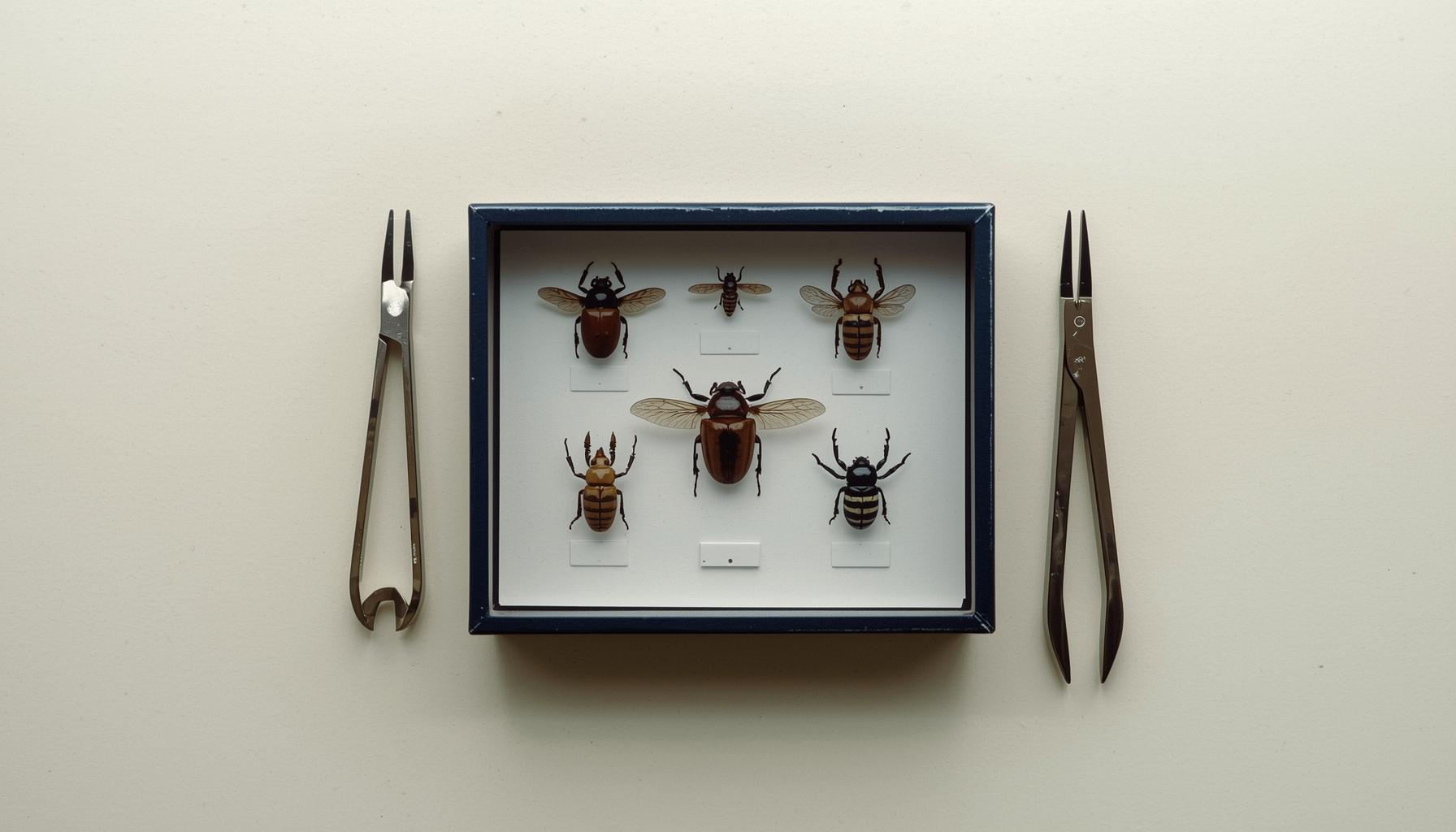
Correct identification of insect species found on a body allows investigators to estimate the minimum period since death with greater accuracy. Different insects colonize remains in a predictable sequence, but the timing varies by species and environment.
A blow fly in cool weather will lay eggs at a different rate than a flesh fly in a warm climate. Confusing one for the other can shift the estimated period by days or even weeks, which may support or contradict a suspect's alibi.
A misidentified species can lead to false timelines or missed evidence of body movement, which risks misdirecting the investigation and undermining the outcome in court.
What can go wrong with insect evidence
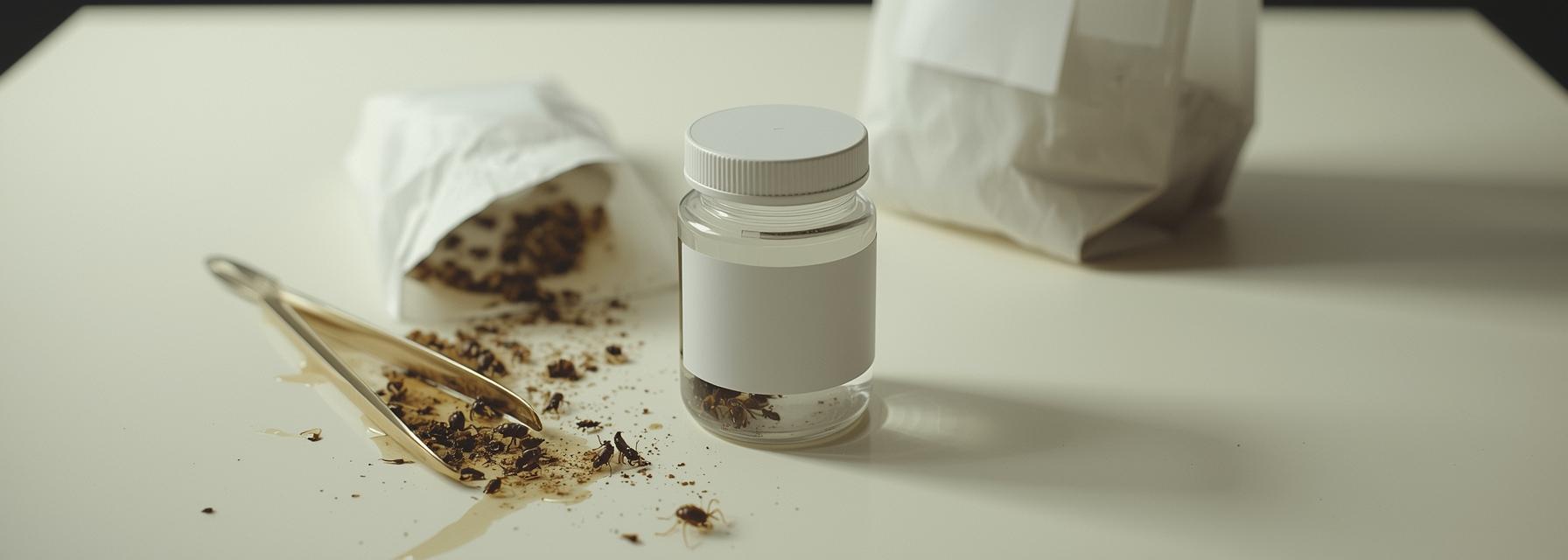
Missteps in handling insect evidence can lead to critical errors in forensic investigations. Even a single foreign insect or residue from nearby chemicals can alter species identification or life cycle analysis, skewing the estimated time of death. Environmental shifts between collection and analysis further complicate results, sometimes leaving investigators with misleading timelines.
Contamination during collection
Collection teams sometimes recover insect evidence from multiple locations in rapid succession. Small protocol lapses can allow unrelated bugs or environmental materials to mix, distorting the timeline. The following problems can undermine the chain of custody or scientific reliability:
- Unsterile tools – larvae or eggs from prior cases contaminate new samples
- Shared containers – mixing insects from separate bodies or sites
- Improper labeling – confusion over which sample came from which location
- Unprotected transport – wind or debris introduce outside insects en route
- Handling without gloves – skin oils or DNA compromise the integrity of the evidence
Mishandled insect samples can mislead investigations, sometimes shifting time of death by days. Strict use of clean equipment and sealed, labeled vials preserves evidentiary value.
Environmental conditions affecting insects
A sudden heatwave in early spring can trigger blowfly colonization days ahead of the average season. This early activity often leads to postmortem interval estimates that do not match established local timelines.
| Environmental Condition | Typical Impact on Insect Development | Example Species Affected | Potential Error in Estimate |
|---|---|---|---|
| Heatwave, 35°C+ | Accelerates larval growth, shortens lifecycle | Calliphora vicina | Underestimation by several days |
| Cold snap below 10°C | Delays egg laying and slows maggot development | Lucilia sericata | Overestimation by up to a week |
| Heavy rainfall | Washes away eggs, reduces survival rates | Phormia regina | Missed evidence or delayed colonization |
| Low humidity, under 30% | Causes desiccation, stunts larval size | Sarcophaga bullata | Mistaken species identification |
| Urban microclimate (asphalt, heat islands) | Maintains higher temperatures at night | Chrysomya rufifacies | Unexpectedly rapid development |
Misreading these patterns can lead to time of death estimates that do not align with other forensic evidence. Site climate data from the time in question provides a necessary baseline for interpreting insect progression.
Mistakes in collecting or analyzing insect evidence can undermine the reliability of forensic conclusions. Standardized protocols and careful documentation help reduce these risks and support accurate case outcomes.
Who should not rely on entomology alone
Maggots and insect life cycles can point to time since death, but their evidence can be skewed by temperature, chemicals, or even the presence of drugs in the body. These outside factors often shift insect development rates and disrupt timelines for investigators.
- Provides biological evidence when other traces are gone
- Can estimate time since death beyond what pathology can achieve
- Offers clues about whether a body was moved postmortem
- Environmental changes easily alter insect growth patterns
- Contamination from chemicals or drugs can mislead results
- Pinpointing time of death may be off by days when conditions are unstable
Forensic entomology evidence is sometimes treated as more precise than it really is, leading to overconfident conclusions. Experienced investigators cross-reference entomological findings with pathology and scene context to avoid costly mistakes.
